
Why Every Woman Should Consider Strength Training in Her 40s
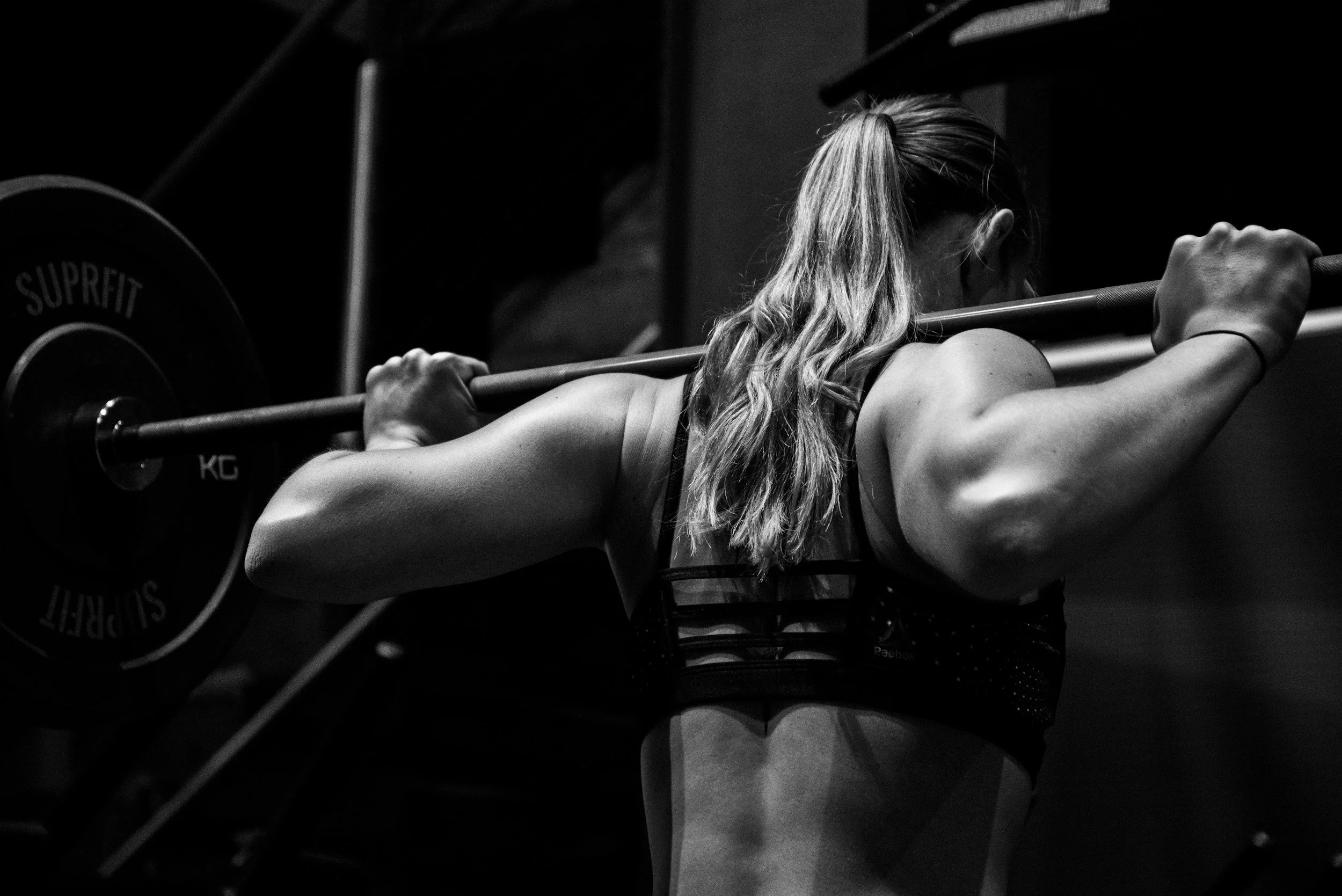
Strong isn't just about todayit's about preserving your independence, your confidence and your health for decades to come.
For many women, their forties bring changes that can sometimes seem to happen almost overnight.
You may notice that maintaining muscle feels harder, recovery takes longer, your body composition is changing, or you simply don't feel as strong as you once did. You may also be entering perimenopause, a stage of life that can bring changes in sleep, energy levels, fatigue, joint aches and physical performance.
The good news is that there is one form of exercise that can play an important role in supporting women through these changes:
Strength training.
It is no longer simply about building muscle or changing the way your body looks. Strength training is an important tool for maintaining muscle, supporting bone health, improving physical function and helping you stay active and independent as you age.
Why Does Strength Become So Important After 40?
During perimenopause and menopause, changing oestrogen levels can affect many systems throughout the body.
Oestrogen plays an important role in maintaining bone and muscle health, among other functions. As women move through this stage of life, hormonal changes, combined with ageing and changes in activity levels, can contribute to a gradual loss of muscle mass and strength and changes in body composition.
This is one reason why building and maintaining muscle becomes increasingly important as we get older.
And this is where I love the work of Dr Gabrielle Lyon, who has helped shift the conversation around muscle.
Dr Lyon describes skeletal muscle as an organ, rather than simply something that helps us move or look strong. She refers to muscle as the “organ of longevity” and highlights its important role in metabolic health, physical function and healthy ageing.
Muscle Is More Than Just Strength
When we think about muscles, we usually think about movement.
We think about being able to lift something heavy, climb stairs, get out of a chair or play sport.
But muscle does much more than that.
Skeletal muscle is one of the body's major sites for glucose metabolism and plays an important role in metabolic health. It also acts as an endocrine organ, meaning that muscle can communicate with other parts of the body by releasing signalling molecules called myokines.
When we exercise and our muscles contract, they release myokines that can communicate with other tissues and influence processes throughout the body. Research into these muscle-derived signalling molecules is helping us understand that muscle is not simply a mechanical tissue—it is an active part of our overall health and physiology.
This is why muscle health matters.
We don't just want muscles that look strong.
We want muscles that are strong, functional and healthy.
Why Strength Training Matters for Women in Their 40s
Your 40s are an important time to start thinking about the muscle you want to have in your 50s, 60s, 70s and beyond.
Building muscle takes time, and maintaining it becomes increasingly important as we age.
Strength training provides the stimulus your muscles need to adapt and become stronger. It can help improve strength, power, balance and physical capacity while supporting healthy ageing.
And this isn't about becoming a bodybuilder or spending hours in the gym.
It is about giving your body the right stimulus to build and maintain the organ that will help carry you through the decades ahead.
As Dr Gabrielle Lyon's work highlights, muscle is about far more than aesthetics. It is an important part of our healthspan.
So if you're a woman in your 40s, don't wait until you feel weak to start building strength.
Start now. Build the muscle your future self will thank you for.